OneRoof’s Ask the Expert is a new series aimed at helping consumers cut through the noise when buying goods and products for their home. It’s hard to make a decision when there’s so much out there, and the sheer volume of online recommendations is overwhelming. We live in an age of fake reviews, so who better to trust than the people who have the expertise and use these items for a living?
A new school year often means a new school bag, and while colour and brand matter to kids, experts say comfort, fit and durability should be doing the heavy lifting for parents.
Asking for recommendations from the Facebook group Mum’s Collective, which has parents around New Zealand as members, a few brands consistently feature for practicality and durability. Their advice also aligns with the expertise of one of New Zealand’s biggest bag providers and a top chiropractor who has spent time fitting school bags for children.
JanSport rates highly for its well-designed bags, while Australian company Alimasy is praised for its lifetime stitching warranty and proper compartments.
Start your property search
JanSport New Zealand Marketing Manager Sam Potter says durability, weight, and practicality should be front of mind when choosing a bag for your child.
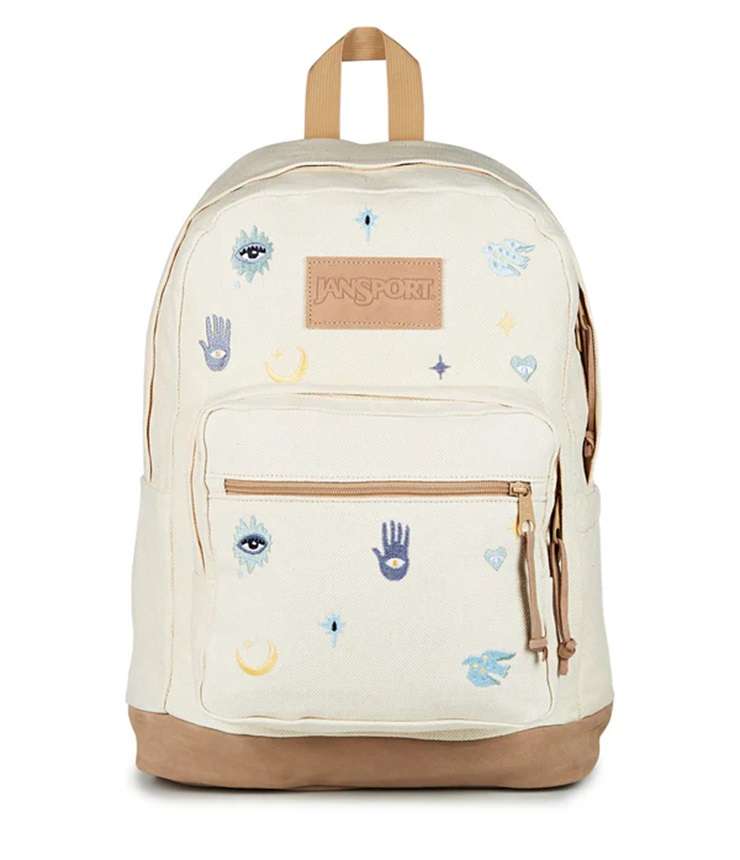
JanSport's Right Pack bags have reinforced bases. Photo / Supplied
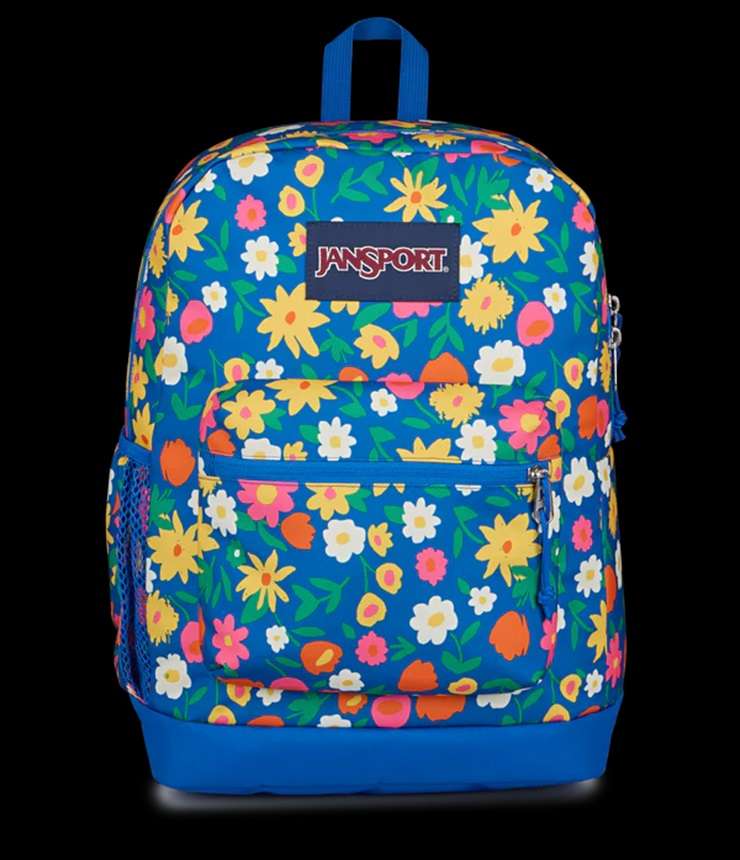
The company Cross Town Plus bags are colourful and have easy-to-use zips. Photo / Supplied
“Your backpack is the hardest-working part of your school gear, aside from the student themselves,” she tells OneRoof.
Essential features should include padded laptop sleeves and external water bottle pockets to prevent spills. “For older students carrying laptops, a padded laptop sleeve is really important, ideally padded all the way around and kept separate from anything that might spill.”
She also says to look for reinforced bases, like those in the Right Pack range; these will protect the bag when it's left on the ground or dragged. Parents with younger children should also look for easy-to-use zips that won’t jam (Potter recommends the Cross Town Plus range for this feature, adding that the bags' colourful prints make them a hit with small kids).
“Easier-to-use zips can make a big difference for younger students. Rain flaps over zips are great in theory, but for little kids in a hurry, they’re one of the most common reasons zips jam,” she says.
Potter warns against buying oversized backpacks, explaining that the weight of the bag should ideally be no more than 10% of the wearer's body weight.
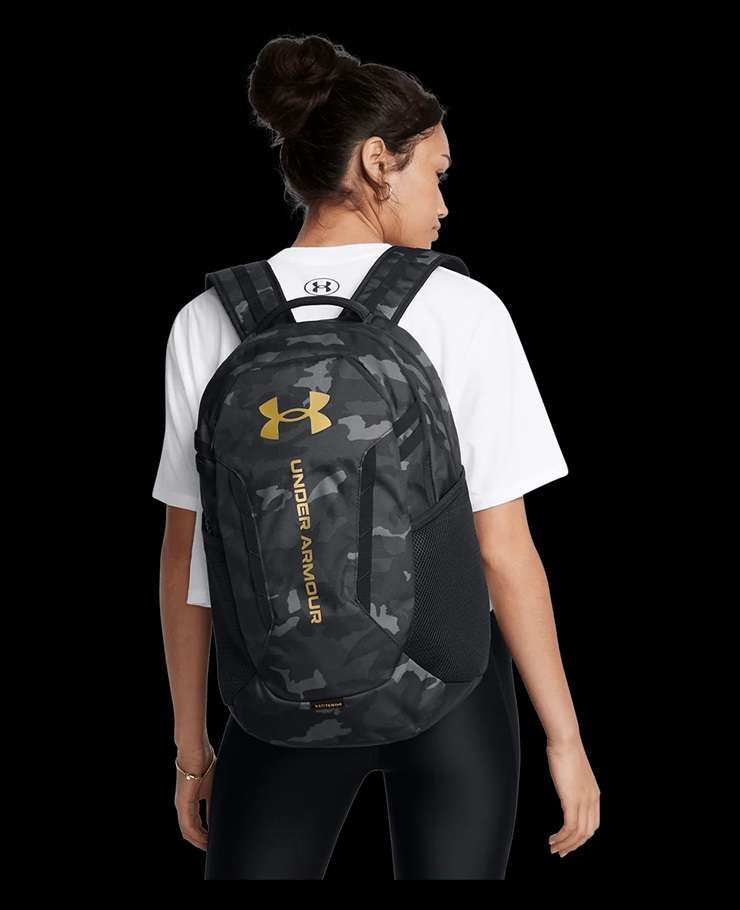
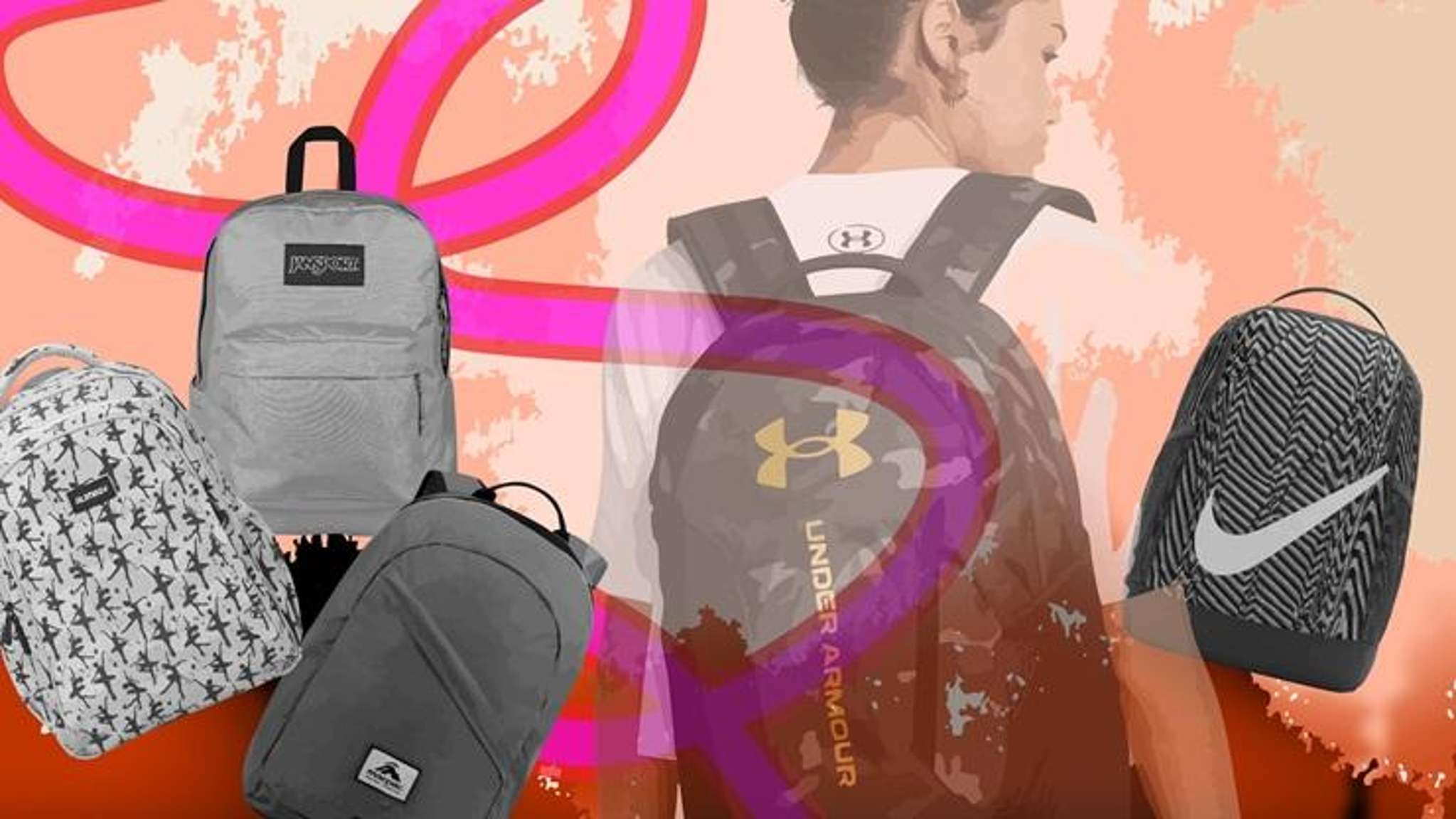
Mum’s Collective members are keen on Under Armour bags. Photo / Supplied
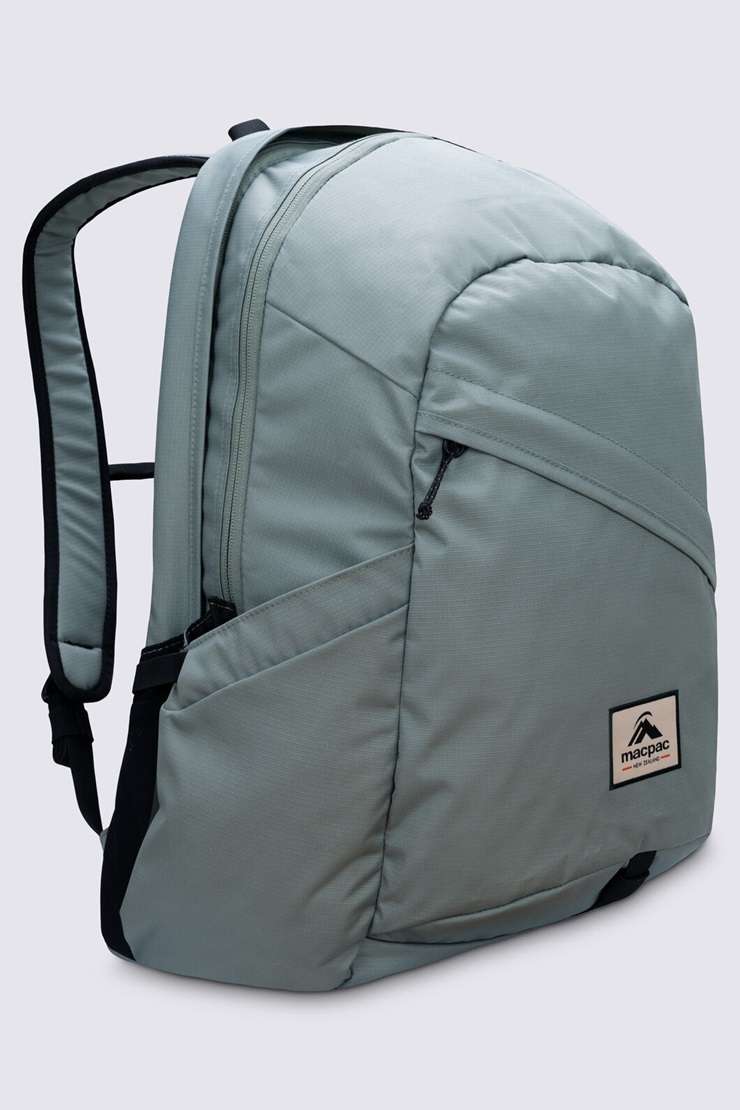
MacPac is another highly rated brand. Photo / Supplied
JanSport offers a limited lifetime warranty covering manufacturing faults such as stitching and zips, and 80% of JanSport backpacks now use recycled polyester rather than virgin materials.
Potter says proper care can also increase the life of a bag. “We always recommend spot-cleaning with a damp cloth, as putting backpacks in the washing machine can wear them out faster.
“Sometimes investing in a better backpack at the start of the year saves money long-term, because it lasts for years rather than months.”
Other brands recommended by Mum’s Collective members and mentioned by Potter are Under Armour and Nike (for the latter Rebel Sport, has a wide range of bags available).
Kiwi brand Macpac, particularly the Litealp range, is another favourite. Its signature AzTec fabric is water-resistant and hard-wearing, ideal for unpredictable New Zealand weather, while the simple, functional design suits a wide range of ages.
What to look for in a school bag
As a general rule, size should match the child. Primary-age children usually need a 15–20 litre bag that sits comfortably below the shoulders, while older students may need 20–30 litres or more, especially if they’re carrying laptops.
Look for padded, adjustable shoulder straps, a supportive back panel, strong zips and practical features such as water bottle pockets and reflective strips for visibility.
Why fit really matters
Jason Berry, a chiropractor specialising in biomechanics from Motion Health Albany, says poorly fitted backpacks can be a contributor to back and neck pain in children and teenagers.
Australian research shows heavily loaded school bags, often more than 5kg, can affect posture and may contribute to long-term spinal issues.
Berry, who has spent time checking the fit of backpacks for clients’ children, says backpack-related discomfort is rarely caused by a single factor. Issues such as poor posture, reduced core strength, and increased device use all contribute to neck, shoulder, and upper-back pain in children and teenagers.
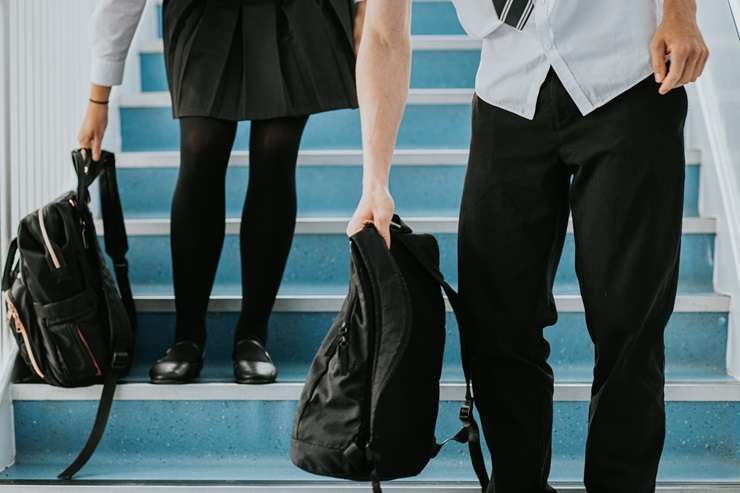
School bags experience a lot of wear and tear during the school year. Photo / Getty Images
Berry recommends choosing a lightweight pack with two wide, padded shoulder straps, a padded back panel, multiple compartments to distribute weight, and a waist belt to shift some of the load onto the hips.
“The top of the bag shouldn’t sit more than a few centimetres above the shoulders, and the bottom should sit just below the hip bones,” he says. “Straps should hold the bag close to the body without digging in, and kids should always wear their bag over both shoulders.”
He advises keeping school bags to around 10% of a child’s body weight, where possible, particularly for older students carrying laptops and books.
While younger children can often appear overwhelmed by the size of their bags, he says they generally carry relatively light loads, so the risk is lower. The bigger concern is high school students, especially those without lockers, who may carry heavier bags for longer periods. He stresses there is no “one size fits all” solution, and that backpack choice and loading should change as children grow.
He says proper wearing of school bags is also important, including wearing both straps, loading bags sensibly, and accepting that some days the bag will be heavier than others.
“From a biomechanics point of view, you want a school bag that fits properly and doesn’t restrict movement.”
Both his children have used JanSport bags, and while he is not endorsing JanSport as the only brand to use, he found they fit well and were durable for his children.
Four top tips from the experts
1. Keep the load under 10% of your child’s body weight
2. Pack heavy items closest to the spine
3. Encourage regular clean-outs so unnecessary items don’t build up
4. Make sure straps are adjusted as your child grows