1. Construction costs are still fairly subdued
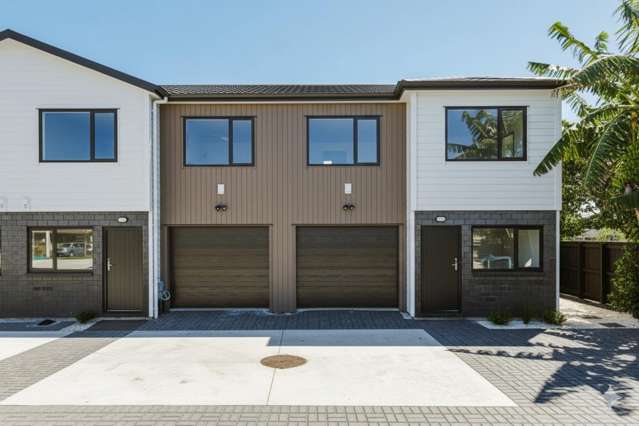
The latest Cotality Cordell Construction Cost Index shows that house-building costs for the last three months of 2025 rose by 2% annually, reflecting subdued wage increases and a relative absence of pressure on materials supplies (in stark contrast to the infamous plasterboard shortages post-Covid).
Conditions are starting to appear more favourable for new-build property demand (and hence builders themselves), with mortgage rates down and lending rules – such as loan-to-value and debt-to-income ratio restrictions – favouring new housing as well. In a busier market, costs may start to rise more strongly, but runaway growth seems unlikely. In other words, people looking at new projects probably don’t need to be too concerned about the risk of the final price coming in way above the initial quote.
2. Dwelling consents are continuing to rise
Start your property search
One such indicator showing early signs of a recovery in the construction sector is the number of new dwellings being consented. Last week, Stats NZ reported a solid rise of 13% in November compared to the same month in 2024, the fifth increase in the past six months. The annual running total has now lifted to nearly 36,000, the highest since early 2024. This is a great sign for the wider economic recovery, as well as housing affordability.
3. Rents are still sluggish; great for tenants
Last week’s flow measure of rents – relating to new tenancies – from Stats NZ was down slightly in December (-0.3%) from the same month in 2024, the ninth fall in the past 10 months. Similarly, MBIE’s figures taken from the bonds system have also remained weak, especially across the wider Wellington area. Clearly, this is positive for tenants.

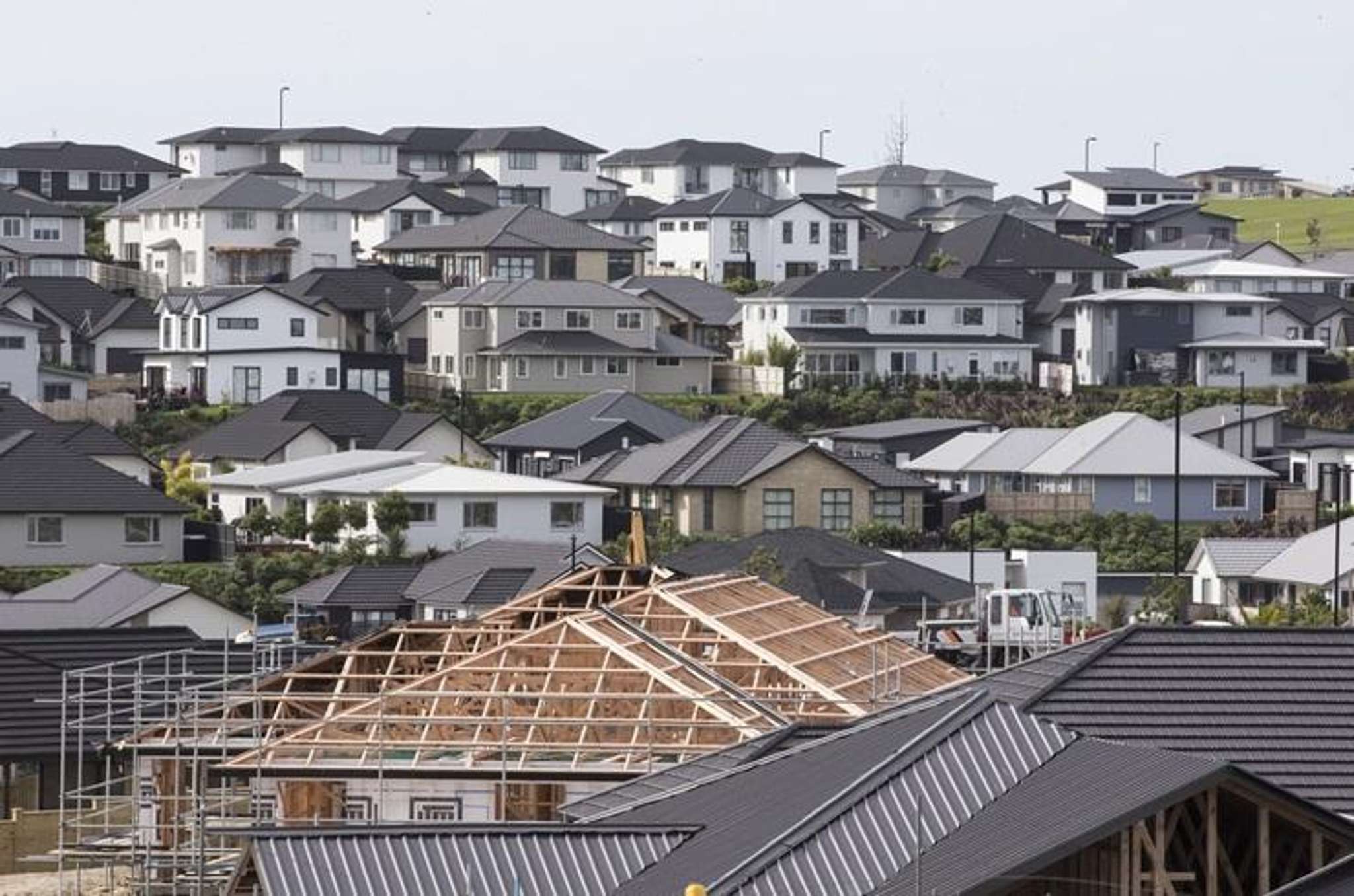
Cotality chief economist Kelvin Davidson: "People looking at new projects probably don’t need to be too concerned about the risk of the final price coming in way above the initial quote." Photo / Peter Meecham
Underpinning this weakness for rents is a rise in the physical stock of dwellings across the country alongside sluggish population growth, on the back of low (but still positive) net migration. Stats NZ will publish the next update to the migration figures on Thursday this week, so that will be another important dataset to monitor.
4. One final floating fling?
Last week’s RBNZ mortgage lending stats showed that 49% of new loans in November were on floating rates, a new record high for recent history. Loans fixed for 6-12 months accounted for 31% of activity, with the remaining 20% fixed for more than a year. Given there was an OCR decision in late November (26th) – and it was always expected to be a cut – it’s no surprise that people opted to float their loans while they waited to see what banks might do to mortgage rates in and around the OCR call.
But given the pretty clear signal at that time that the OCR cuts are now finished – and the fact that some mortgage rates have actually now started to creep higher again – I suspect that from December’s data onwards, floating lending may drop back to normal as people look to fix longer again. There’s already plenty of anecdotal evidence that this process has begun
5. All eyes on the CPI
Finally, the main economic data release this week will be Q4’s official CPI inflation figures. The Q3 figure (3.0%) was right at the top of the Reserve Bank’s target band but may have slowed in Q4. If so, it should provide some reassurance that the official cash rate doesn’t need to rise again anytime soon.
That being said, last week’s monthly selected price indexes release for December – covering about 45% of the CPI – was arguably a bit high for comfort, so it adds to the intrigue around Friday’s benchmark inflation data. The Reserve Bank will certainly be watching closely.
- Kelvin Davidson is chief economist at property insights firm Cotality