- A 14,600-hectare South Island property, valued at $140m, is on the market.
- The stations are expected to attract wealth funds or high net worth individuals due to their scale.
- Overseas buyers need approval, giving locals an advantage in the tender.
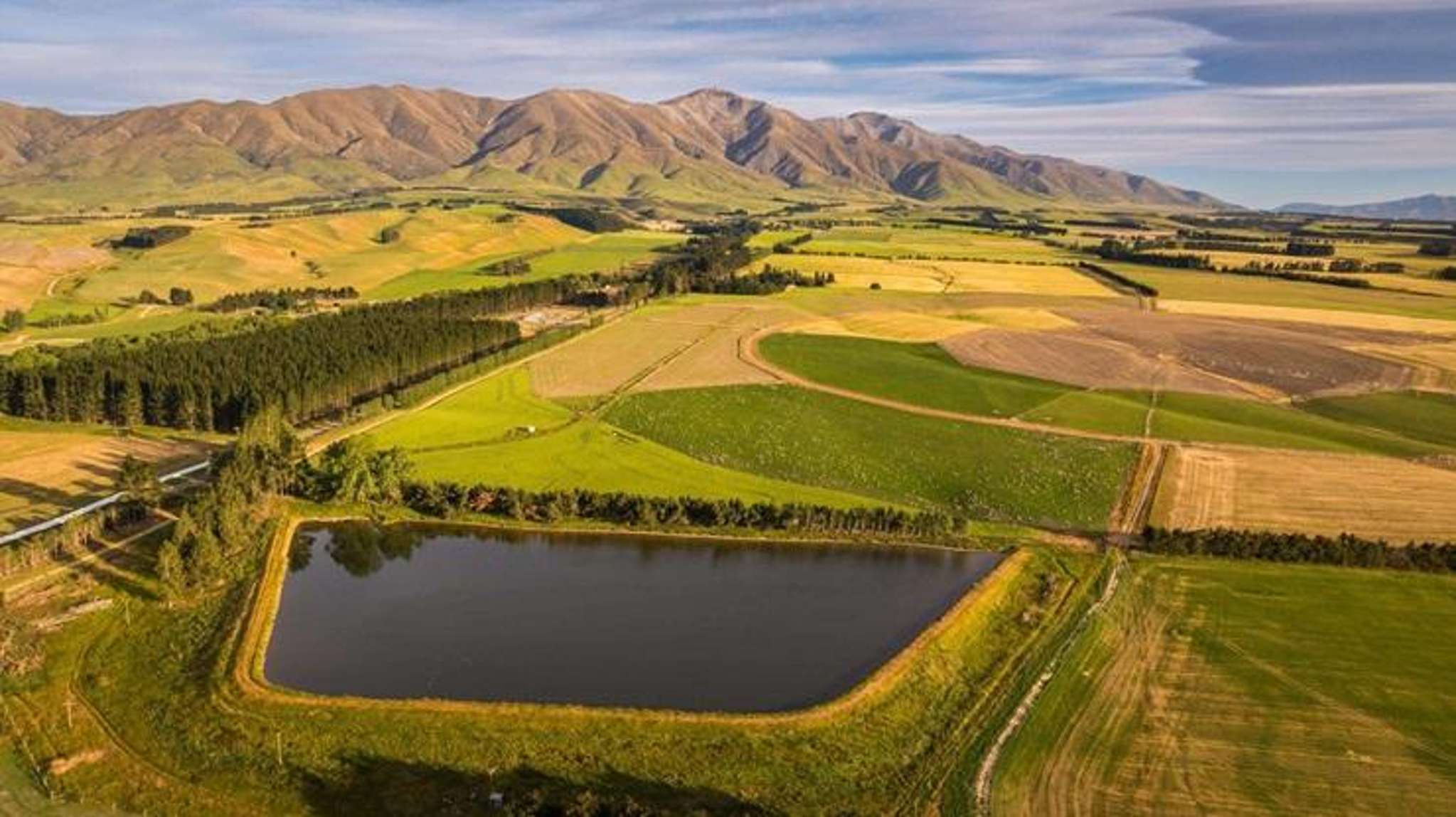
At over 14,600 hectares and consisting of three integrated stations and 58 freehold titles, a rare piece of New Zealand is on the market in the South Island.
Start your property search
However, the desired price will exclude about 99% of the buying population, with the listing agent telling OneRoof that a wealth fund will likely snap up the Southern Farm Collection of Lone Star Farms.
New Zealand Sotheby’s International Realty Queenstown agent Russell Reddell said the Otago stations made up one of the largest sheep and cattle operations in the country and were valued at around $140 million.
He said Caberfeidh, in the Hakataramea Valley, The Wandle, in Middlemarch, and Barewood, between Outram and Middlemarch, were once 16 individual farms.
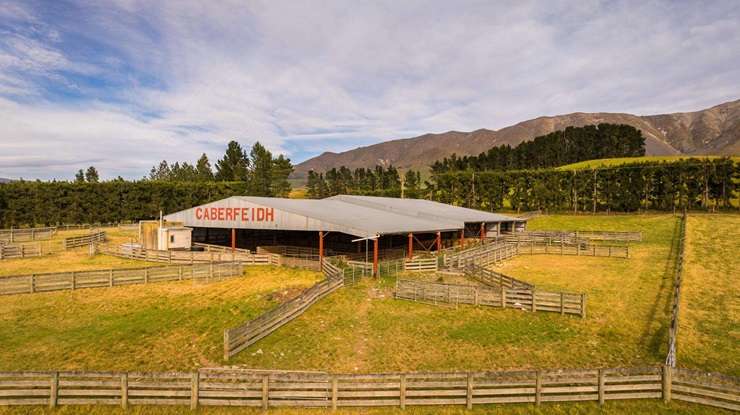
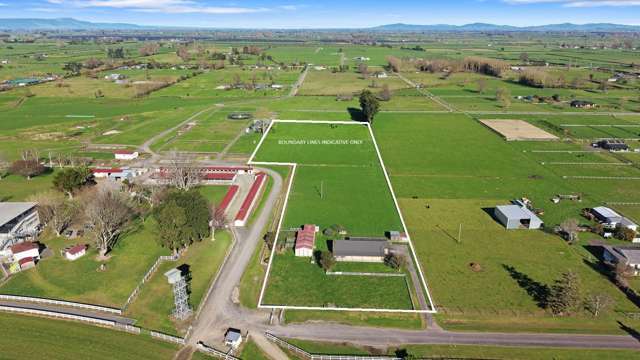
Caberfeidh, in the Hakataramea Valley, is one of the stations that make up the 14,691ha property. Photo / Supplied

The Wandle, in Middlemarch, and Barewood. Listing agent Russell Reddell says the stations are an award-winning farming enterprise. Photo / Supplied
An operation this size rarely came up for sale, he said. “It takes 20 or 30 years to build something like this. You’ve got to buy multiple farms, bring them together, redefine them, and so all that hard work has been done.”
Reddell told OneRoof the properties had attracted good buyer interest from New Zealand and overseas. “The scale and the price point of this rule out about 99% of people in general,” he said.
The buyer was likely to be a wealth fund, a business already with an interest in agriculture, or a high net worth individual or family office looking for diversification, he said. “It’s a sophisticated buyer. It’s not going to be your ma and pa investor as such.”
The tender for the stations closes in November, and Reddell expects there to be at least half a dozen candidates, even though deals of this size sometimes take years to complete.
Discover more:
- Art collector's mansion sells for $7.75m as US buyers fly in for lifestyle estates
- Tragic circular saw death comes up during sale of 'munted' West Coast cottage
- 'It's a steal' - quirky home with trains in the backyard sells for bargain price
“The whole point of the deadline sale or tender is to bring things to a head to find a party to work with. It may not be that the sale takes place on the day but we’ve identified the right buyer and work with that buyer over a period of time.”
Overseas funds would have to get Overseas Investment Office approval to buy, as would foreign buyers, giving Kiwis with deep enough pockets the advantage, he said. “The interest we’ve had from New Zealand so far is typically high net worth individuals.”
The stations had been valued at around $113m, plus another $17m worth of stock and another $3m worth of plants and equipment.
Reddell said high country stations were few and far between and often in transition according to family succession plans. At any one time, there might be five or six on the market, but in his 20 years of selling in the high country, he had never had anything of this scale and size.

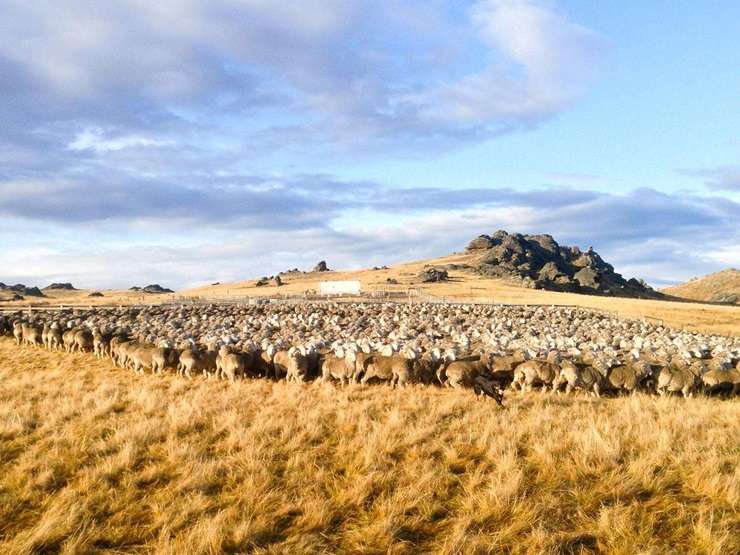
Barewood, between Outram and Middlemarch, is the third station that makes up the property offering. Photo / Supplied
The focus was the sheep and beef production business, but alternative land uses were also possible - there were “heaps” of opportunities, he said.
Listing agent Anthony Morsinkhof, of Forbes Global, has four high country stations on the market in New Zealand, but he was unable to give details on three of them.
All, however, fell in the $20m to $50m range. The one that is listed publicly is Manuka Point Station, which has a luxury lodge nestled into the New Zealand Alps, “ensconced by awe-inspiring mountain panoramas, encompassing two glaciers, vast braided rivers, and indigenous woodland”.
The station has been on the market since October 2023, but Morsinkhof said stations often took up to seven years to sell, not because of a lack of demand, but because of the OIO approval process and the fact that many of the properties were hard to access.
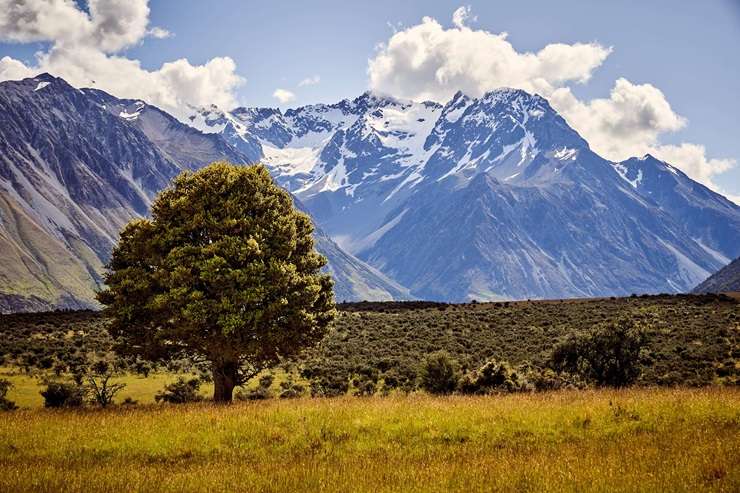
Manuka Point Station, on the Rakaia River, beside Canterbury’s Ragged Range, is up for grabs. Photo / Supplied
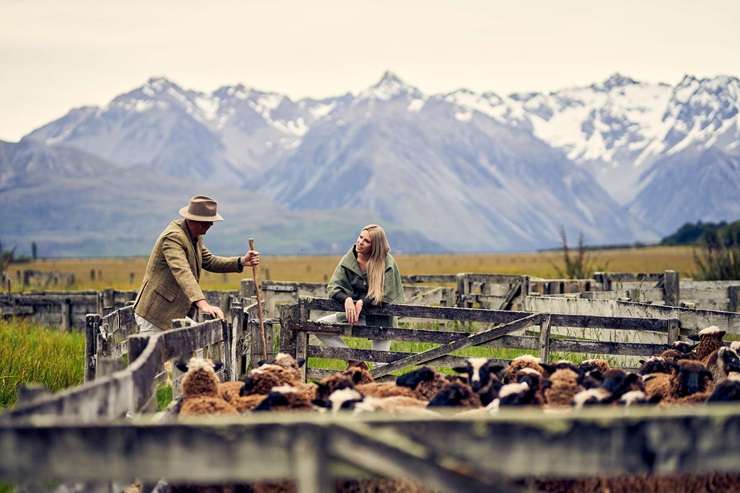
Manuka Point Station comprises 1271ha over two titles. Photo / Supplied
“When it gets more remote, even if they are spectacular, it becomes more difficult,” he said.
Americans and North Europeans were showing interest as were offshore funds, which often looked at buying these sorts of properties for land-banking, he said.
Singapore and Dubai-based funds were actively looking in New Zealand for big land holdings and stations. “For them, it’s a combination of land banking and also putting in improvements that will add value to the land.”
Morsinkhof said funds could create a lot of value for New Zealand. Some specialised in eco-properties and luxury lodges were popular among high net worth tourists.
“The high-end tourism market is doing significantly well. They’re spending huge amounts of money in New Zealand,” he said.
“It’s high impact financially in that it benefits New Zealand, but it’s low impact if you consider it from an eco-perspective.
Looking for offers over $8.6m is Matangi Station, at 1109 Little Valley Road, in Alexandra, Otago. Photo / Supplied
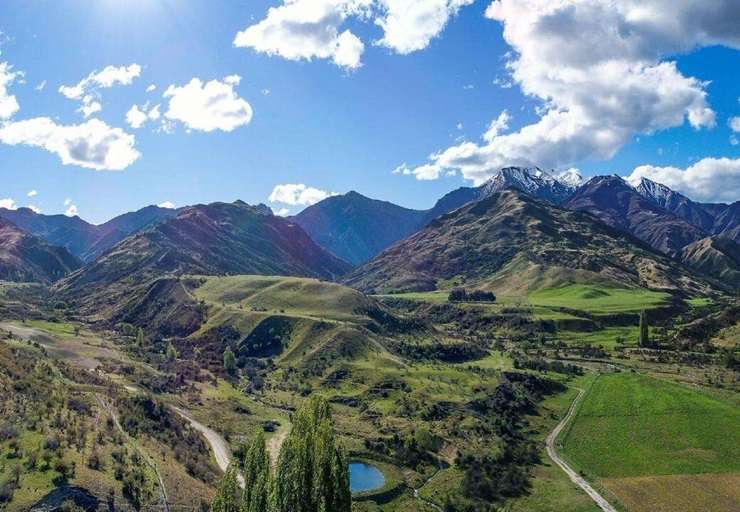
For sale: Branch Creek Station is a 6336ha working station near Wanaka and Queenstown. Photo / Supplied
“These people come in very small groups, but they bring a lot of income to New Zealand.”
Morsinkhof said the OIO process was unfair for these types of sales as people with a commercial property did not have to advertise it in New Zealand before they sold to a foreigner, but farmers with more than five hectares did.
“The disadvantage for that farmer is that if he sells it to a foreigner, the foreigner then knows there are no Kiwi buyers,” he said.
“People say that the foreigners will give him a better price, but, no, the foreigner won’t because he will understand that the New Zealand market is not accepting of the price that’s on the market for and he will push the price down, not up.”
He said Forbes only took on “very special” properties, and a lot of high country stations were in zones with outstanding natural landscape.
Most interested parties wanted to benefit the land and also New Zealand, he said.
“They’re not looking at taking assets away. They’re looking at adding value to those properties and generally benefitting the community directly or indirectly. The people coming that I deal with are very New Zealand-minded.
“People often say, ‘Oh, these are these billionaires and all they want to do is grab New Zealand money and take it back overseas with them’ – it’s the opposite. They are taking their knowledge, their IP, and everything to New Zealand and helping New Zealand. That’s the attitude.”
Ruth Hodges, managing director of Colliers’ Otago and Southland rural business, also has a high country station listings, including Matangi Station, a fine wool property in Alexandra, and Branch Creek Station, a medium-scale 6336ha working station near Wanaka and Queenstown.
Hodges said it could be hard for overseas buyers because obtaining OIO approval and proving the “benefit to New Zealand” test was not easily done.
Buyers tended to be a mix of commercial farm operators and high net worth investors who generally retained the existing farm system, which she said was usually fine-wool focussed, but who also had the capital to reinvest back into the property and diversify its income stream.
“It really depends upon location and aspect to a degree,” she told OneRoof.
High country station sales were not without their challenges: “A significant number of high country stations are crown pastoral lease tenure, and many buyers do not understand this very well.
“There are clear differences between CPL and leasehold as CPL has clear legislation around ‘exclusive possession rights’. It can sometimes also be challenging showing buyers around the farms as they can take over half a day to view, given their size and scale.”
Properties came to market sometimes because there was no one willing to take it over, and other times it was an opportunity for the owner to move on and retire as many stations could be quite isolated, she said.
“Sometimes it’s for financial reasons. For many high country families, it’s a significant decision and a difficult one because the farm may have been in their family for three to four or more generations.”
High country stations tended to sell at a premium non-pastoral value level due to buyers placing value on their aesthetic aspects as opposed to only their commercial farming values.
“That is why you see those properties closer to Queenstown and Wanaka sell for what seems like extraordinary prices. People want to have their own exclusive bolthole in an extraordinary part of the world and are prepared to pay for that,” she said.
- Click here to find more properties for sale